
WHAT IS DIGITAL MARKETING ?
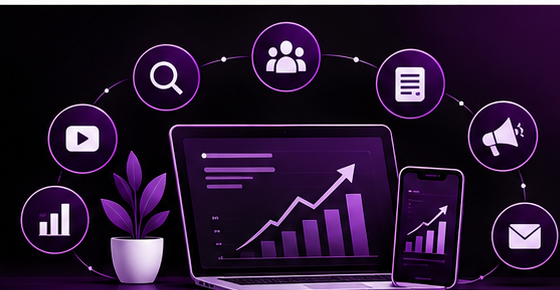
The technique of promoting a company, good, service, or brand online via social media, websites, email, search engines, and online advertising platforms is known as digital marketing. It aids companies in expanding their reach, increasing sales, generating leads, and developing brand awareness. Search Engine Optimisation (SEO), Social Media Marketing (SMM), Google Ads, Meta Ads, content marketing, email marketing, web development, and analytics are all included in the category of digital marketing services. Businesses can increase their online presence and more successfully engage with potential clients by employing the appropriate digital techniques.
What Can a Digital Marketing Strategist Give You?
Based on their objectives, target market, and sector, a digital marketing strategist assists companies in developing a precise and successful online marketing plan. A strategist chooses the appropriate channels and develops a plan to draw in, interact with, and convert potential clients rather than employing haphazard marketing techniques. SEO, social media marketing, content strategy, Google Ads, Meta Ads, website optimisation, brand visibility, lead generation, and performance analysis are all areas in which a digital marketing strategist can assist you. Additionally, they track campaign outcomes and utilise data to enhance marketing initiatives over time. This aids companies in improving their online visibility, connecting with the appropriate audience, and pursuing long-term digital expansion.
What Are the Benefits of Digital Marketing?
Digital marketing helps businesses build a strong online presence and connect with potential customers where they spend their time. It provides measurable and flexible ways to promote products and services while reaching specific audiences. Some key benefits of digital marketing include: Wider Reach: Connect with local, national, and global audiences. Better Targeting: Reach people based on interests, location, demographics, and online behavior. Cost-Effective Marketing: Choose budgets that suit your business and adjust campaigns when needed. Increased Brand Awareness: Build visibility and recognition across digital platforms. More Website Traffic: Use SEO, social media, content, and advertising to attract relevant visitors. Lead Generation: Convert online visitors and audiences into potential customers. Measurable Results: Track impressions, clicks, engagement, leads, conversions, and other performance metrics. Better Customer Engagement: Communicate directly with customers through social media, websites, email, and other channels. Data-Driven Decisions: Use campaign and audience data to understand what is working and improve your strategy. Long-Term Growth: Consistent digital marketing can strengthen online visibility, customer relationships, and business opportunities over time.
Why Does a Business Need a Digital Marketing Strategy?
A strategy provides direction and helps businesses decide who to target, what to communicate, which platforms to use, and how to measure results. It can also help businesses use their marketing resources more efficiently and make improvements based on performance data.
How Does Digital Marketing Work?
Through suitable web platforms, digital marketing connects a company with its target market. Identifying the target audience, comprehending their demands, investigating pertinent keywords and subjects, and establishing specific marketing goals are often the first steps in the process. After that, companies can choose appropriate channels including email, social media, websites, search engines, and paid advertising. Offers, ads, and pertinent material are made to draw in and interact with potential clients. Marketers may track metrics like impressions, clicks, website visits, engagement, leads, and conversions after campaigns are started. This data makes it easier to determine which tasks are doing well and where they might need to be improved. In order to increase marketing performance over time, digital marketing is therefore a continuous process that includes strategy, execution, measurement, analysis, and optimisation.
. What Is the Purpose of Digital Marketing?
The primary purpose of digital marketing is to connect businesses with relevant audiences through digital channels and create meaningful opportunities for engagement and business growth. Depending on the marketing objectives, digital marketing can be used to increase brand awareness, improve online visibility, attract website visitors, generate leads, promote products or services, increase conversions, and maintain customer relationships. Different digital channels can support different stages of the customer journey. For example, SEO can help people discover a business through search engines, while social media can encourage engagement and content marketing can provide useful information. Paid advertising can help businesses reach specific audiences with targeted messages. By combining appropriate digital marketing methods and measuring their performance, businesses can continuously refine their strategies based on audience behavior and campaign data.
What Are the Main Types of Digital Marketing?
Businesses can employ a variety of digital marketing strategies to connect with and interact with their target audiences online. Search Engine Optimisation (SEO), Social Media Marketing (SMM), Content Marketing, Search Engine Marketing (SEM), Email Marketing, Affiliate Marketing, Influencer Marketing, and Online Advertising are a few of the primary categories. While social media marketing employs sites like Facebook, Instagram, and LinkedIn to reach audiences, SEO concentrates on increasing organic presence in search engine results. Making helpful resources like blogs, videos, images, and instructions is part of content marketing. Businesses can market their goods and services to specific audiences through paid advertising. Every digital marketing technique has a distinct function, and companies can integrate many channels to develop a comprehensive plan according to their objectives and target market.